
Episode 37
Marketing as Medicine: Without Selling Your Soul | Allie Chandler of Upsell Health
OK, so a quick confession: you might notice my audio sounds like I’m reporting live from inside a tin can… That’s on me. Wrong mic, right intention. Please enjoy the real and raw fabulously f*d up recording — it’s part of today’s charm. 😅
Before we get into it, I also want to give a huge thank-you to Michelle Mechem of Historic Living / Roost Realty for taking my listener survey. Michelle, I see you, I appreciate you — and if you’re dreaming about living beautifully in Savannah, go check out LiveInSavannah.com or find her on Instagram @LiveInSavannah.
Today I’m joined by Allie Chandler, founder of Upsell Health, and one of the sharpest minds I know at the intersection of healing and marketing. Allie helps functional medicine practitioners and wellness brands grow without selling their soul — translating deep, transformative work into messaging that actually connects and converts.
We talk about empathy-led marketing, the courage to be disliked, and what it really means to sell from integrity — especially when your work is about healing, and not scaling numbers.
Also, completely unrelated but very important: If you can, please buy silver. I said what I said.
Let’s go.
-------
👉 I am ridiculously excited to hear from you.
Take my listener survey and get a personal shoutout on the podcast. I want to honor the people who make this show what it is.
-------
🩸 YOU DIDN'T LAND HERE BY ACCIDENT.
The Living Art Personality Quiz: Seven questions. 60 seconds.
Get a free curated guide plus personalized art and healing recommendations built specifically around your result.
Art that does not just hang on a wall. It lands in the bloodstream.
👉 👉 Live the Art. Take the quiz
-------
Links
ALL of Allie's links here
-------
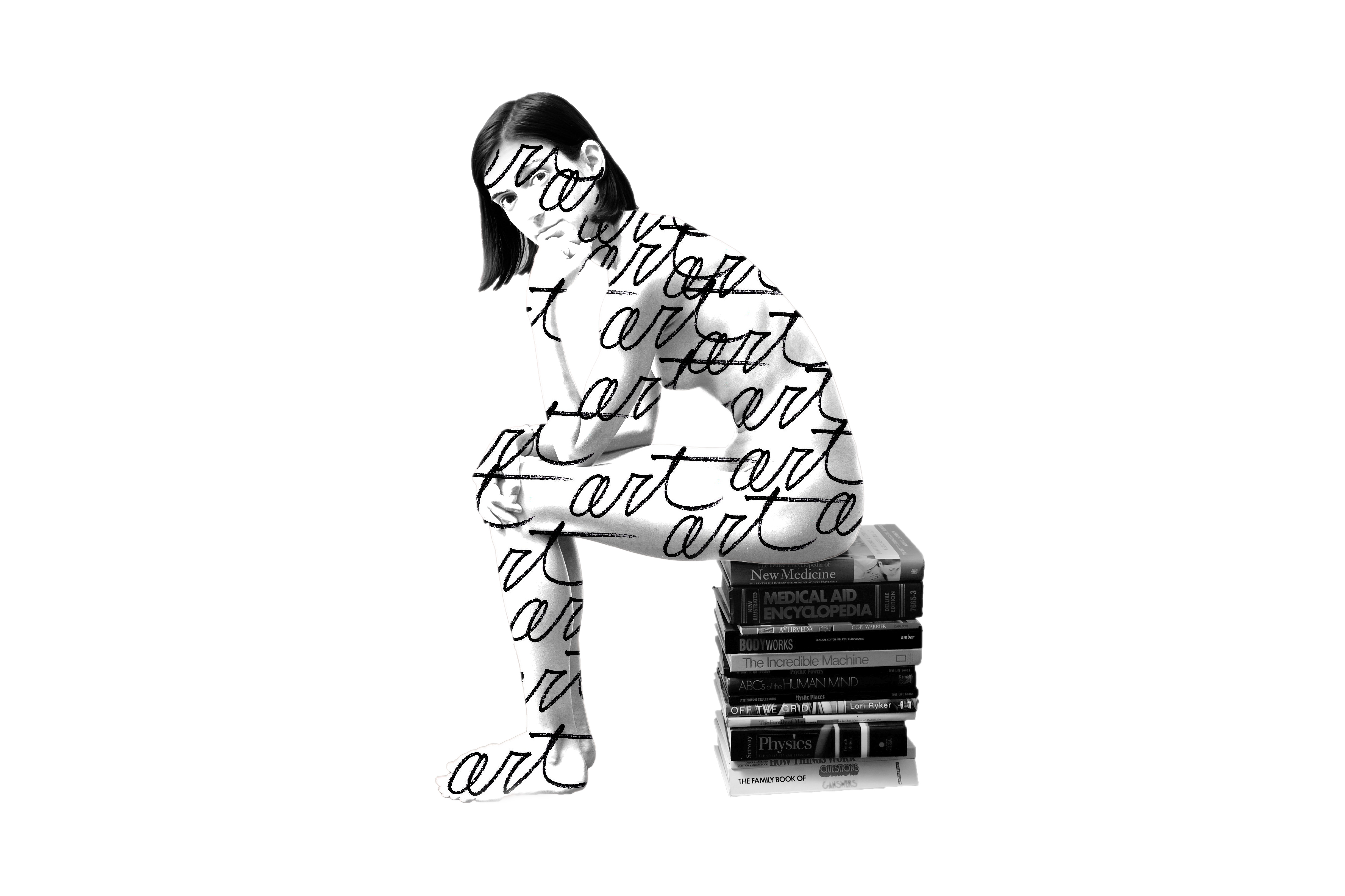
🖼️This episode features Illusion as the Artwork of Truth.
Illusion is the undercover agent of truth that wants to be unmasked. Living at the edge where illusion falls away and clarity sharpens, like the luteal phase itself, this piece invites us to let go, unmask, and become the ripple that makes the wave. Check it out here.
-------
✅CHAPTERS
00:00:00 Introduction
00:05:44 Intellectualizing Healing - Lyme & POTS
00:13:24 Healing Triggers People
00:22:04 Making Friends as Adults
00:27:51 Balancing Dualities in Life
00:32:02 Empathy-Led Marketing
00:35:27 Luteal to Menstrual Art Piece
00:38:12 The Future of Marketing is Long Form
00:49:26 Pain + Healing Resources
00:50:50 Do you need social media?
00:56:46 Biohacking with ART - Mirror Mosaic
-------
About the Podcast
Your pain is not a design flaw.
Your body is not broken.
And you were never meant to white-knuckle your way through a life that doesn't fit.
I'm Meredith Ochoa — ANOTHER F#%ING ARTIST. After 17 years of endometriosis, surgical failures, and being told my pain was psychological, I stopped outsourcing my healing and went in. I healed myself. I turned the journey into art. And I built this show to introduce you to every expert, practice, and buried truth that helped me get there.
Face Your Shit, Heal Yourself is a movement + podcast.
We cover chronic pain, hormonal health, endometriosis, autoimmune disease, trauma, cycle syncing, functional medicine, Reiki, Ayurveda, sacred sexuality, Taoist healing, psilocybin, and everything else the mainstream medical system doesn't want on your radar.
The only way out is through. Art is how.
-------
🩸all my links are here
Transcript
And in this healing journey, I had to really take a step back.
Speaker A:And, you know, I was.
Speaker B:I.
Speaker A:For a while, I was bedbound.
Speaker A:I was like, 26.
Speaker A:I couldn't walk.
Speaker A:I was working from my bed.
Speaker A:I was newly married and, you know, was like, I don't know what to do.
Speaker A:I've seen so many doctors, and I think for me, the biggest thing was my ego.
Speaker A:I was just, you know, I can't produce.
Speaker A:I can't cook, I can't clean.
Speaker A:I can't do anything for this new husband.
Speaker A:I'm just sitting here, you know, my job, they wanted me to travel a lot.
Speaker A:I couldn't even walk to my mailbox.
Speaker B:Right.
Speaker A:The biggest part of my, like, facing my own shit was understanding that there's a lot more to me than what I can do and what I can produce for people.
Speaker A:And that took me many years of just struggling internally like I'm worthy for who I am as a human and not what I can do.
Speaker A:And that was the biggest lesson.
Speaker A:And it was many, many years of work, you know, therapy, internal family systems, emdr, like, all of these limbic system healing and really just doing internal work and shadow work and figuring out where that's coming from.
Speaker A:But for me, just realizing being sick gave me the space to work through that so that I wasn't just one of these, like, corporate, how much can I get done?
Speaker A:I have no life.
Speaker A:I have no personality.
Speaker A:And so it was a beautiful lesson.
Speaker A:It was very painful to go through at the time, but I feel like now that I'm better, I'm so grateful to have that because I feel so rooted in, you know, who I am as a person is what's valuable and not what I can do.
Speaker C:Okay, so quick confession.
Speaker C:You might notice my audio sounds like I'm broadcasting from a tin can.
Speaker C:That's on me.
Speaker C:Wrong might, right intentions, and it's all part of today's fabulously fucked up, real and raw episode.
Speaker C:So enjoy the charm.
Speaker C:Before we get into it, I also want to give a huge thank you to Michelle Meacham of Historic Living and or Roost Realty for taking my listener survey.
Speaker C:Michelle, I see you, I appreciate you.
Speaker C:And if you're dreaming about living beautifully in Savannah, look no further than livesavana.com contact Michelle or find her on Instagram @liveinsavana.
Speaker C:All of this is in the show notes.
Speaker C:And to everyone listening, if you love this show, want to support it and help shape where it goes.
Speaker C:Next, please take the listener survey.
Speaker C:It's short.
Speaker C:It matters.
Speaker C:It really helps.
Speaker C:Me.
Speaker C:And your feedback genuinely makes the podcast even more aligned, useful and impactful.
Speaker C:And I read every single response.
Speaker C:Today I'm joined by Ali Chandler, founder of Upsell Health, one of the sharpest minds I know at the intersection of healing and marketing.
Speaker C:Ali helps holistic and functional medicine practitioners, as well as wellness brands grow without selling their soul, translating deep transformative work into messaging that actually connects and converts.
Speaker C:We talk about empathy, led marketing, the courage to be disliked, and what it really means to sell from integrity, especially when your work is about healing and not scaling numbers.
Speaker C:Also completely unrelated, but if you can get it, buy silver.
Speaker C:I said what I said, let's dive in.
Speaker B:It's just, it's not very often that I have people on that are talking about the business out of the whole wellness world and like, what that really entails.
Speaker B:So it's just, it's a conversation that I feel like in a field most people get into because they've been through some kind of traumatic or chronic disease themselves.
Speaker A:Yeah.
Speaker B:But the business side of it is a whole other beast.
Speaker B:And honestly, fascinating.
Speaker A:Yeah, I know.
Speaker A:It's interesting having had the background in my own healing journey and then coming into it, just like putting the marketing lens on it.
Speaker A:It's been interesting because I think the way that I approach it is different because of my healing experience.
Speaker A:But I think everyone's always looking for marketing advice.
Speaker A:How do I grow?
Speaker A:How do I create something that's empathy led, authentic, genuine and not.
Speaker A:I feel like there's so much AI now.
Speaker A:So it's just figuring out how to still market and grow.
Speaker A:Well, being who you are and not having to feel like you're not in alignment with yourself.
Speaker A:So it's my favorite part about working with people.
Speaker B:Totally.
Speaker B:And before oddspell hell existed, there was you, there's your story, there was pots, mold toxicity, complete kind of life, breakdown of relationship, and eruption.
Speaker B:So, as you know, on this show we talk about those kind of face your shit moments, for sure.
Speaker B:What?
Speaker B:Where was that point for you?
Speaker A:Yeah.
Speaker A:So a really brief summary.
Speaker A:I actually used to teach creative writing.
Speaker A:That's my background.
Speaker A:And I decided I wasn't feeling like it was the right path for me.
Speaker A:I wanted something that I could own and have more creativity, didn't have to follow a curriculum.
Speaker A:So I ended up quitting that job and going and backpacking in Europe for a whole summer.
Speaker A:And I found out years later I got sick there, very sick.
Speaker A:Found out years later it was Lyme.
Speaker A:But it took me this whole journey of pretty much overnight getting really sick, neurological Symptoms, heart stuff, digestive stuff, a lot of like weird emotional things that I had never experienced.
Speaker A:And so that is what kind of got me into the path where I am now, where I work in marketing and I help practitioners and functional medicine brands grow and scale.
Speaker A:But my own journey is such an integral part of that and learning.
Speaker A:Like there are all of these non conventional ways to heal.
Speaker A:And I had gone back from Europe and was trying to figure out what was wrong with me and of course went to the ER because I was in really rough shape.
Speaker A:And they were like, well, we don't really know, we'll just put you on antibiotics and steroids.
Speaker A:And they gave me probably five different things.
Speaker A:And like my body was so weak at that point that it crashed me even more.
Speaker A:And I just was like, I can't finish this course.
Speaker A:Like I, I felt like I was dying.
Speaker A:And so my journey, I guess, like to face all of this, it was a couple of years of just like, doctor, doctor, doctor, like I'm not getting anywhere.
Speaker A:And the biggest thing that I came across was I have a background of being so focused on achievement.
Speaker A:That's how I found my worth.
Speaker A:What can I do?
Speaker A:What can I do for others?
Speaker A:How many things can I accomplish?
Speaker A:And in this healing journey, I had to really take a step back.
Speaker A:And you know, I was, I, for a while I was bedbound, I was like 26, I couldn't walk, I was working from my bed.
Speaker A:I was newly married and was like, I don't know what to do.
Speaker A:I've seen so many doctors and I think for me the biggest thing was my ego.
Speaker A:I was just, you know, I can't produce, I can't cook, I can't clean, I can't do anything for this new husband.
Speaker A:I'm just sitting here, you know, my job, they wanted me to travel a lot.
Speaker A:I couldn't even walk to my mailbox, right?
Speaker A:The biggest part of my, like facing my own shit was understanding that there's a lot more to me than what I can do and what I can produce for people.
Speaker A:And that took me many years of just struggling internally like I'm worthy for who I am as a human and not what I can do.
Speaker A:And that was the biggest lesson.
Speaker A:And it was many, many years of work, you know, therapy, internal family systems, emdr, like all of these limbic system healing and really just doing internal work and shadow work and figuring out where that's coming from.
Speaker A:But for me, just realizing being sick gave me the space to work through that so that I wasn't just One of these like corporate how much can I get done?
Speaker A:I have no life, I have no personality.
Speaker A:And so it was a beautiful lesson.
Speaker A:It was very painful to go through at the time, but I feel like now that I'm better.
Speaker A:I'm so grateful to have that because I feel so rooted in who I am as a person is what's valuable and not what I can do.
Speaker B:Thank you first of all for saying that.
Speaker B:It's so necessary today to have this idea, not idea to back reinforced because it isn't.
Speaker B:We are inherently worthy.
Speaker B:It is only to a Persona that we create or some kind of mask that we ever have to prove or do anything.
Speaker B:Yeah, we, you know, and that more of it's more revealing of the lack of spiritual understanding, which that could be a whole other episode, you know what I mean?
Speaker B:Like why we have to watch why is expected to, you know, you're valued for what you do or for what you produce instead of who you are.
Speaker B:And realizing that you are inherently worth come to it.
Speaker B:Understanding that you are everything comes with understanding that you are source, that it was everyone else, that you are individual, which used to mean indivisible.
Speaker B:Some who are soul completely changed where now that means something completely separate.
Speaker C:Yeah.
Speaker B:And it's such a huge part of healing and awakening is that level of acceptance.
Speaker A:Totally.
Speaker A:Yeah.
Speaker A:And I think the biggest shift for me because I'm very type A. I always have been.
Speaker A:I was the kid that was like if I got an A minus in school, I was really disappointed in myself.
Speaker A:You know, everything had to be perfect.
Speaker A:I played volleyball competitively and we would make it to states every single year.
Speaker A:And I was like man, we got second place.
Speaker A:And I would think about it for months after.
Speaker A:So I've always been really hard on myself and I think a big shift in my healing came when I'm good at intellectualizing healing.
Speaker A:I can do all the research, I can watch all the summits, all the podcasts, I can figure out protocols.
Speaker A:But I didn't really see progress in doing some of these protocols cuz I was just running through the motions of it.
Speaker A:I wasn't connected to my internal world at all.
Speaker A:I wasn't really like checking in with my body.
Speaker A:And so one thing I've learned is that instead of treating this illness like it's another problem to solve, another thing that I need to check off like I need to get better so, so that I can do all these things for everyone else.
Speaker A:I learned to listen to what my body was trying to tell me.
Speaker A:And that takes a Lot of like processing and work and like quiet and really understanding yourself and your internal world.
Speaker A:But I think not intellectualizing.
Speaker A:Cuz everyone at some point can figure out I probably have these root causes, you know, I got bit by a tick or this building is moldy.
Speaker A:It's not too hard to figure out what your root causes are.
Speaker A:But I think the hard part is getting your spiritual world, getting your emotional world, your mental, all in line with healing.
Speaker A:And that's something that took me many years, like I said, of just working through it and not just check.
Speaker A:Like I did all my supplements today, I did all my detox tools.
Speaker A:But it really was like the quiet moments at night where I was, had the time and the space to really be like, what do I need?
Speaker A:What does my inner child need?
Speaker A:What does my body need to hear from me?
Speaker A:And a lot of those affirmations of this is not going to be my life.
Speaker A:We're not sick, we're not stuck in this victim loop of wow, poor me, I'm 26 and I'm not walking and all my friends are getting promotions and going on vacations and everything.
Speaker A:It was really just like, what do I need to heal?
Speaker A:And turning internally.
Speaker A:And I think that's been really helpful.
Speaker B:Yeah.
Speaker B:And it's something that, something you said, really, when you're talking about spending all that time with yourself, it's like you're alone but you're not lonely.
Speaker B:Right.
Speaker B:When you're doing that kind of work.
Speaker B:But what becomes lonely is doing that in a world of people that don't feel it's that hard.
Speaker B:So living behind the mask or the Personas, you could be surrounded by people and be completely alone.
Speaker B:Where you're seeing the same thing in front of you.
Speaker B:Right.
Speaker B:Like the trees and the clouds and the deck in the house.
Speaker A:Yeah.
Speaker B:With different eyes.
Speaker B:Right.
Speaker B:With really different eyes.
Speaker B:Like who do I have to be in or what do I have to do in this conversation or this situation?
Speaker B:Like appear cool or make everyone calm or happy or all of that.
Speaker B:Like when you start spending time with your inner child and the deeper parts of yourself that have been fragmented because of the Persona we create, it's like that wholeness starts to really fill a void, I think.
Speaker A:Definitely.
Speaker A:Yeah.
Speaker A:And one of the things I've always said in the healing journey is even if I've been surrounded by people, I have felt so lonely and so isolated because how do you explain how going through something that traumatic has affected you?
Speaker A:I feel like I. I ended up having to get divorced because of all of this.
Speaker A:Illness and was living in California.
Speaker A:We were together for eight or nine years, but ended up getting divorced because of it and moved back to Michigan.
Speaker A:And I just was like, I didn't even tell my close friends I was sick.
Speaker A:I didn't really tell anyone.
Speaker A:I just went into this little cocoon and was like, this is so crazy.
Speaker A:The symptoms I'm having and like, how I feel.
Speaker A:I can't even explain it to anyone, nor do I have the energy to explain anyone.
Speaker A:But, you know, transitioning, I started to feel better and EMDR was really huge for me.
Speaker A:But as I started working through that inner stuff, I did notice that, you know, I'm pretty open and vulnerable, especially on social media.
Speaker A:I don't mind talking about things that portray me in this perfect highlight, real life.
Speaker A:Like, I'm happy to talk about my struggles and what I've learned and going to therapies and working through that has helped me to be open about it.
Speaker A:But I have learned that even further isolates me because it's almost like it makes people who aren't ready to do that work feel called out.
Speaker A:And then like, you know, I'll have friends where I'm sharing things.
Speaker A:It's nothing about them.
Speaker A:It's all, hey, here's my story, here's my journey.
Speaker A:And I'll notice they'll pull away or there'll be like some kind of big blow up where I'm like, where did that come from?
Speaker A:I'm just trying to live this authentic life.
Speaker A:And it's not like you have to meet me exactly there.
Speaker A:I'm just trying to be open about it.
Speaker A:And so there is a lot of isolation and loneliness in being sick, but also in healing because, you know, people who aren't ready to go there with you feel almost repelled by you.
Speaker A:I don't know if you've experienced that or if you have any thoughts on that.
Speaker B:Hell, yes, I do.
Speaker B:Yes, I totally relate to that.
Speaker B:There are people that are upset that.
Speaker A:I even created this very podcast that's.
Speaker B:I feel it's sad to me.
Speaker B:I used to get really pissed off and it is.
Speaker B:Right.
Speaker B:But it's really sad when you think about it because that's how small and scared you are inside.
Speaker B:Yeah, it's so revealing of the kind of life that you must live that you are actually threatened by something that is going to heal you, change your state of being, which told me you're either already getting.
Speaker B:Well, you always are getting something out of what you're doing, whether you believe it, whether you see it, or Whether you don't see it, whether that sympathy, whether that's like friends or whether that's like you just getting to be a victim.
Speaker B:Right?
Speaker B:There's all these hidden beliefs too.
Speaker B:Or it's like, you know, you're scared, you're just.
Speaker B:Which is a lot of the time.
Speaker B:And I had to ask, like, oh, you know, I'm not on any kind of pedestal, but I surged for almost 20 years.
Speaker B:And I.
Speaker B:Looking back now, after healing, I asked myself, at a certain point when people were talking about holistic treatments and eliminating sugar and changing your diet and all this, and I was trying out birth control and trying out the.
Speaker B:In a cooler shack, educate myself and starting on that path.
Speaker B:But I was like, why do you think, Meredith, that other people.
Speaker B:Shaw.
Speaker B:Right.
Speaker B:Other people saw these avenues to go down or Shaw treatment or had advice for me, but I didn't see.
Speaker B:Because the answer to that question for everyone is what is revealed.
Speaker B:It reveals what is controlling your life.
Speaker B:When you know the answer to that, like, when you know that it's.
Speaker B:Oh, shit.
Speaker B:Yeah, because I'm too scared.
Speaker B:Let's title.
Speaker B:Why title the show?
Speaker B:It's literally just so much healing is accomplished through just acknowledging the truth.
Speaker A:Right.
Speaker B:Just like you said.
Speaker B:It's like just that is part of the healing process, which is why people don't want to do it.
Speaker B:Because it would mean they're wrong.
Speaker B:Handle that.
Speaker A:Yeah, no, I totally agree.
Speaker A:I feel like that was a huge component to the healing and also learning to be okay with the people that push me away because of it.
Speaker A:And, yeah, I've always been such a people pleaser and so concerned with.
Speaker A:I want everyone to like me.
Speaker A:I'm an enneagram too.
Speaker A:I'm very, like, relationship driven and in my DNA.
Speaker A:And so that, again, was a big part of it.
Speaker A:I had a mentor, so I was head of marketing and events at Microbiome Labs, which is megasporebiotic.
Speaker A:I'm sure a lot of people have heard of it.
Speaker A:But I had a mentor when I took this VP role who was like, you have to be okay with people not liking you in work, in healing, in anywhere in your life.
Speaker A:You cannot let that concern keep you from doing what you're meant to be doing.
Speaker A:Because I was speaking up about some things in the workplace.
Speaker A:But that lesson has stuck out to me a lot and applying it to healing too, because even if you're going against conventional norms and speaking out about it, people aren't going to like it.
Speaker A:You're going to have polarity and you're going to probably lose friends.
Speaker A:But the people that you're attracting and what you're like, magnetizing back to you, it's such a better fit for you to have people who are on that same frequency and on that same level.
Speaker A:And so getting that lesson, too, of it's almost like you're not doing enough if people aren't annoyed by what you're doing.
Speaker A:You know what I mean?
Speaker A:Like, if you're not making waves, then are you even, like, having a stance on anything?
Speaker A:And I think that's important too.
Speaker B:A hundred percent.
Speaker B:You don't have a point of view.
Speaker B:Everyone likes you and everyone's agreeing.
Speaker B:And everyone's like, yay.
Speaker B:You probably aren't saying very much.
Speaker A:Right.
Speaker B:Just the nature of it.
Speaker C:Exactly.
Speaker B:Like you said.
Speaker B:And it's something not talked about enough.
Speaker B:And of course, it's not to villainize people that like us.
Speaker B:Or everyone has the right not to like you.
Speaker B:Because it's like we can get in that slippery slope of perpetrator, victim, rescuer.
Speaker B:And that's the drama triangle.
Speaker B:When you make someone the villain, then you like they're just where they're at.
Speaker B:I'm not saying it's successful and condoning, like, interested in the behavior and that, all that crap, but that's just where they're at.
Speaker B:And yeah, it is bad, but it's like their soul knows what's best for them.
Speaker B:They're a big boy or big girl, right?
Speaker A:Yeah, for sure.
Speaker A:And I think a lot of it too, is having the trust that you will find your people.
Speaker A:Like, you'll find the right place to heal.
Speaker A:You'll find the right groups.
Speaker A:And so one of the things when I moved back to Michigan after my divorce is I was again, like, we're talking about isolation and loneliness.
Speaker A:I was so lonely.
Speaker A:I remember there was a weekend I had no plans.
Speaker A:I had.
Speaker A:I work remotely so I could go all week without interacting with anyone.
Speaker A:I do instacart.
Speaker A:I get my stuff delivered.
Speaker A:Cause I'm so busy.
Speaker A:And there was a weekend where I was like, I haven't left my house in probably nine or 10 days.
Speaker A:I have no plans this weekend.
Speaker A:So I decided to do this, like, nostalgic.
Speaker A:Let's go back to childhood.
Speaker A:Let's get some play.
Speaker A:So I went to Hobby Lobby or Michael's.
Speaker A:I can't remember, but got some clay.
Speaker A:I got some, like, watercolor.
Speaker A:I made grilled cheese and tomato soup.
Speaker A:I like, did the little butterfly clips.
Speaker A:Like, I just went and did this, like, nostalgic little weekend alone.
Speaker A:But even reflecting back on it, I was like, I don't want this to be my life.
Speaker A:That was great, and that was fun.
Speaker A:And I'm sure my inner child, like, loved it and, like, playtime.
Speaker A:But out of that, I had decided to make a post on those neighborhood informed groups on, like, Facebook.
Speaker A:They're usually huge.
Speaker A:So I got on my local one and was like, how do you guys make friends as adults?
Speaker A:I'm struggling.
Speaker A:I used to live here.
Speaker A:I don't know what I'm doing.
Speaker A:Like, I love having themed parties, I love investing in people.
Speaker A:But I just feel like in my 30s, everyone here, all my friends were married, had young kids, didn't have time.
Speaker A:So part of my healing journey was being okay to be vulnerable enough to be like, hey, like, I don't know what I'm doing.
Speaker A:I want friends.
Speaker A:Like, obviously that's probably embarrassing to some people, to be that genuine and authentic and like, hey, like, I don't have anyone to hang out with.
Speaker A:But out of that and out of that risk and authenticity, I actually created a local social group.
Speaker A:And we have 18,000 people in a year and a half.
Speaker A:So I'm like, I can't be the only one who was looking for community.
Speaker A:Yeah.
Speaker A:And last night, I actually had an event, a millennial co ed event.
Speaker A:We had 130 people at it last night.
Speaker A:So it's just like, that was a big part of my journey, is losing friends.
Speaker A:But then also, I feel like you're almost always rewarded if you're genuine and vulnerable and if it comes from the right place.
Speaker A:Because I think a lot of times even I struggle with, am I doing this for attention?
Speaker A:Am I doing this for sympathy?
Speaker A:Or do I really want something out of it that's gonna make me a better person?
Speaker A:And so now I have this amazing community.
Speaker A:I have my birthdays in five days.
Speaker A:I have six different friend groups who are planning something for me.
Speaker A:And this was not something.
Speaker A:Two years ago, I would have been alone.
Speaker A:I would've had no plans, I would've had nothing to do.
Speaker A:And so I think having community and not giving into that isolation and, like, getting in that poor me attitude, I think taking control of your situation and not just for community, but what do you want out of life and how can you go get it?
Speaker A:And for me, it was like, I want solid friends.
Speaker A:I want people every summer where it's like, we're gonna go on boat trips, we have barbecues, we have, you know, weekly meetups.
Speaker A:And so I think vulnerability and kind of self awareness can be really beautiful in that way.
Speaker A:Because you just never know what you can create out of it.
Speaker B:Yeah.
Speaker B:Telling the truth.
Speaker B:Telling the truth.
Speaker B:And that's what I say.
Speaker B:Like, I obviously don't have as much of a background in marketing as you, but I need somewhat of a background in marketing.
Speaker B:And I remember this quote, and I would always say it.
Speaker B:I don't know who said it first, but it was the best marketing strategy.
Speaker B:And just telling the truth.
Speaker B:Telling the truth.
Speaker B:Like, the more clear you get.
Speaker B:It's like, the more like you said, you're going to.
Speaker B:Yes.
Speaker B:You overpower.
Speaker B:People will fall away, and then your quality people will show up.
Speaker B:And I would rather be surrounded by like three to five quality people and this is just me.
Speaker B:Than 10,000 acquaintance beard that like, yeah.
Speaker B:Hell, yeah.
Speaker B:Let's party.
Speaker B:Let's have a good time.
Speaker B:Nothing good.
Speaker B:Nothing wrong with that.
Speaker B:Like, who are you gonna call when shit hits fan, Right?
Speaker B:Not probably not any of the 10,000 people.
Speaker B:Yeah.
Speaker B:And it's so cool your birthday's in five days.
Speaker B:You're a Cathy.
Speaker A:Yeah.
Speaker A:Yeah.
Speaker A:On the cusp, too.
Speaker A:The 20th.
Speaker A:So it's like a little bit of Aquarius influence, I think.
Speaker B:But, yeah, it's fun having that.
Speaker B:We're having our collab on the.
Speaker B:Because I'm Aquarius.
Speaker B:I'm at the end of.
Speaker B:I love it.
Speaker A:That's amazing.
Speaker A:Aquarians.
Speaker B:Yeah.
Speaker B:Well, I have a Capricorn.
Speaker B:Bellium.
Speaker B:No.
Speaker B:I name a lot of gal for correct a lot of things there.
Speaker B:And I love getting shit done.
Speaker A:Same.
Speaker B:Right.
Speaker B:Like, I love it.
Speaker B:I love it.
Speaker B:I have learned to balance that out.
Speaker B:Like, the whole conversation we just had about Lucky you're not just what you do.
Speaker B:Yeah.
Speaker B:That's been.
Speaker B:There's an art.
Speaker B:There's an art to that.
Speaker B:Like having just abandoned responsibilities and fuck it, I am this way.
Speaker B:That's not.
Speaker B:And then you don't get it.
Speaker B:So it's like holding both things big enough as a person to hold those by.
Speaker A:Yeah.
Speaker B:Be disciplined and to be free to take care of responsibility and just be playful and have fun.
Speaker A:Yeah.
Speaker A:It's so true.
Speaker A:And that's funny.
Speaker A:I actually just got back from San Diego.
Speaker A:I was telling you I had a client who's opening a biohacking clinic.
Speaker A:And our marketing ops guy was like, you are just full of dualities.
Speaker A:He's like, you are a very interesting person.
Speaker A:Because he's, like, on slack, you know, I just met some of them for the first time in person.
Speaker A:You're all business.
Speaker A:You get stuff done.
Speaker A:You're messaging, you're turning stuff in.
Speaker A:And he's like.
Speaker A:And then I meet you in person and you're this like hippie, like, free spirited.
Speaker A:He's like, you're really, like, soft spoken.
Speaker A:Not that I'm afraid to speak up, but, like, I am a bit quieter.
Speaker A:I'm not like a loud person.
Speaker A:And so he was like, you are just a fascinating human.
Speaker A:There's so much of both in you.
Speaker A:And I'm like, that's intentional.
Speaker A:That was work.
Speaker A:To get there and to be able to have a balance of the masculine and feminine, that's something else I really love.
Speaker A:Like, in my relationship with my boyfriend, I love being in my feminine energy.
Speaker A:I love like letting him lead and letting him, you know, he knows what I like.
Speaker A:So it's not like he's ever making decisions without knowing that.
Speaker A:Or he might ask for my input.
Speaker A:But I'm so exhausted with my client work and with the high level strategy and marketing I'm doing every day.
Speaker A:I'm so in my masculine energy at work.
Speaker A:And so I think that's what he was noticing is like the masculine side of work.
Speaker A:But then when I'm off work, I just want to be playful and just have that duality.
Speaker A:So that's interesting that you say that because I think it is something that's learned.
Speaker A:Like, you don't have to be in this one personality all the time.
Speaker A:You can switch.
Speaker A:It's almost like code switching.
Speaker A:Like you can depending on the situation and like the safety that you feel and whatever you have to get done, you can switch between those energies and those dualities and polarities.
Speaker A:So it's just, it's fun to see.
Speaker A:And I was like, that's interesting that up because somebody just said that to me the other day.
Speaker B:Yeah.
Speaker A:Oh.
Speaker B:It's a whole obviously hot topic of conversation right now.
Speaker B:And it's so important and I have so many things to say about this could be a whole other episode.
Speaker A:Yeah.
Speaker B:But it's so necessary and healing to embrace both.
Speaker B:You're not just one and it's not.
Speaker B:I think people collapse a lot of times.
Speaker B:It's like being a woman or being a man.
Speaker B:No, everyone have both energies, their polarity, and it's like they're one.
Speaker B:So, like, you know, the deeper you get into the feminine, you find the masculine.
Speaker B:The deeper you get into the masculine, you find the feminine.
Speaker B:Yeah, they're polite, like they're one.
Speaker B:But you can see different side of the spectrum and you can see all in between and that.
Speaker B:I don't think people make the connection enough and they use it to divide Right.
Speaker B:Which is like donuts a point.
Speaker B:It's like you're, it's meant like how you're saying to unite relationships with other people like within yourself.
Speaker A:Absolutely.
Speaker A:Yeah.
Speaker A:And it's interesting even personality wise as I heal, there was a long time when I was sick where I just felt like I wasn't myself at all.
Speaker A:And I didn't really know how to like fix that.
Speaker A:I just was like, this isn't me.
Speaker A:I'm super outgoing.
Speaker A:Like in high school and college, I always was the person who knew everyone.
Speaker A:Like I was such a social butterfly and all my friends would joke around about it and I actually got in a fight with my college roommate of four years because she was like, you spent so much time trying to like talk to everyone.
Speaker A:Where are your couple friends that you're investing in?
Speaker A:But that's just how I was like, I love, yeah, social.
Speaker A:And then when I was sick again, going back to all of the isolation and everything, I was like, I feel like a part of me is just not alive right now.
Speaker A:So.
Speaker A:Yeah, you know, in healing and reclaiming the personality that is like innate inside of me and it just feels right to be this way.
Speaker A:It's been really cool to see that and see, you know, that connection like you were saying with marketing, just telling the truth, even like me healing in my personality I think comes across in the work that I do.
Speaker A:And we had a conversation because I call what the marketing I do empathy led I call it.
Speaker A:You know, I don't know if anyone uses that term or not, but I actually think it's really important to understand your avatar and to know like you're speaking to a human in your marketing.
Speaker A:Do you know their name?
Speaker A:Do you know their demographic and psychographics?
Speaker A:Do you know what are they up googling at 3am?
Speaker A:You can't just like, you know, throw out marketing to a broad and general audience without this deep dive on your avatar and on the empathy side of it, understanding what is that person's pain point and how am I coming into their space and how am I helping them?
Speaker A:Because I think there's a lot of marketing out there that's very direct sales and it's very, to me feels used car salesman like in your face.
Speaker A:There's a lot of false urgency.
Speaker A:Like your coupon's not really expiring in two days.
Speaker A:You're going to leave it up for, you know, it doesn't actually change the price ever.
Speaker A:And so that like that I can do my job and still be in alignment with my own.
Speaker A:Morals and ethics by marketing in that way.
Speaker A:I actually lost a client because he wanted me to do direct sales marketing.
Speaker A:He's like, we need to sell this many supplements.
Speaker A:We need to, like, make up prices, make up deadlines.
Speaker A:And I was like, I can't feel good about that.
Speaker A:I'm not your person and I can do it.
Speaker A:I have the skill set to do it.
Speaker A:But, you know, I guess going from healing myself physically, how do I pull that into the work side and still feel in alignment and still feel like I'm supporting my own morals and ethics in marketing?
Speaker A:Because marketing can be an unethical space.
Speaker A:And I'm very careful when I work with clients to be like, okay, like, this is the type of marketing I do.
Speaker A:It's value driven.
Speaker A:It's.
Speaker A:We're gonna provide education, we're gonna provide them with so much free content and then build trust.
Speaker A:And I think that's what sells is if someone trusts you and they feel like you're not just, like, pushing a sail at them when they're really sick and they're like me, they're bedbound.
Speaker A:They don't want someone speaking to them with fear.
Speaker A:They're already afraid enough.
Speaker A:Their nervous systems are so dysregulated that they want that, like, softer education forward piece.
Speaker A:So it's been interesting to see, like, how my own healing has changed my marketing and my work that I do too.
Speaker B:Yeah, that's actually the first thing that struck me when I saw your website and a little bit about your story, and it was almost one, and I so, so love the avatar piece.
Speaker B:And, like, I need to do this quiz.
Speaker B:I'm like, there's a quiz archetype.
Speaker B:I was like, oh, my God.
Speaker B:Oh, my God.
Speaker B:I was wondering when that is a background.
Speaker A:There's a patient and practitioner one now, so there's some cool stuff.
Speaker A:But, yeah, I agree.
Speaker A:Just knowing, like, your avatar and who you are as a marketer, that's why I love your brand, is because you're like, the title of your podcast too.
Speaker A:Like, you're gonna attract the people that you want to attract.
Speaker A:And I just love.
Speaker A:And look what you're doing so well.
Speaker B:Listen, it is a.
Speaker B:It is a living document.
Speaker B:It is a wiping off the grass.
Speaker C:So if you need a visual break, I want to talk about today's sponsors.
Speaker C:Oh, by the way, it's me.
Speaker C:I'm going to tell you a little bit about why I created this show.
Speaker C:I created this show because I have lived it.
Speaker C:I faced my shit and healed myself by unraveling all of the medical and pharmaceutical lies I had been told about my my endometriosis and was able to heal myself after 17 years of debilitating pain.
Speaker C:My experience inspired me to literally live my art.
Speaker C:So not only did I create this podcast you're listening to right now, I first created an ongoing art series about it called Every phase.
Speaker C:All of the artwork you see in my clips and within this episode is from my Every phase series, which will span for 13 years.
Speaker C:The pieces illustrate how I healed myself as I live by the phases of the female hormonal cycle.
Speaker C:So the artwork shows what's happening in the brain and the body during each phase and reveals how to biohack and leverage this energy in your life.
Speaker C:Illusion is the undercover agent of truth.
Speaker C:One that's meant to be unmasked.
Speaker C:Truth dances through our lives, roleplaying as archetypes or beliefs.
Speaker C:Beliefs or language or anything we can mentally construct or make up that leads us to something more, something bigger.
Speaker C:The truth wants to be found, but first it wants you to enjoy the show.
Speaker C:Each untruth, lie, or illusion actually works in favor of truth.
Speaker C:Like supporting characters on the world stage, the greater the contrast, the clearer we can see.
Speaker C:But when we stop looking, when we forget that we can't recognize what we truly want without first experiencing the unwanted, that's when we get lost in illusion.
Speaker C:We become rigid, immovable.
Speaker C:And this piece lives in the late luteal phase, where illusion collapses and truth sharpens, where we either become the ripple that makes the wave, the title of this piece, or the brick of illusion racking up debt as we try to numb what's asking to be seen.
Speaker C:And that's exactly what this conversation with Ali is about.
Speaker C:Truth telling, empathy, led marketing, and the courage to be disliked in a world addicted to performance.
Speaker C:And if this piece speaks to you, if you feel that late luteal, I'm about to start my period.
Speaker C:Truth stirring.
Speaker C:It is available to collect.
Speaker C:You'll find it linked in the show notes, or you can reach out directly to me to make this limited edition yours.
Speaker B:And yeah, Ally and I were talking earlier on the show and I was like, holy shit.
Speaker B:Like, you've got it going on.
Speaker B:Marketing.
Speaker B:I've done just all the school this year.
Speaker B:So much of what you've talked about that doesn't work.
Speaker B:Just.
Speaker B:And there's the term, even though I don't like it.
Speaker B:Like, I get it for stereotypical purposes.
Speaker B:The brutal marketing.
Speaker A:Yes.
Speaker B:You know, like right where it gets people.
Speaker B:And fortunately, most women do.
Speaker B:But a lot of times it's Male.
Speaker B:Then I had a mentor like this that's just obsessed with posting.
Speaker B:But it's like the posting and I did the whole episode.
Speaker B:I left social media.
Speaker B:Why I left social media.
Speaker B:And it's like you're just training yourself not only to be like what I consider a digital kind of lurker, like a voyeur to other people who left that you.
Speaker B:Yeah, but if it's not working, and I'm not saying this for everyone, but like for me and like probably what you were saying a little bit about my brand, how it's fun and playful, I don't take myself too seriously.
Speaker B:But then I hold the duality and the contrast of being deeply, deeply in integrity.
Speaker B:And I talk about really long form concepts.
Speaker B:So like, it just was never in my art pieces are.
Speaker B:I create.
Speaker B:I invented my own process.
Speaker B:So like all that to say it didn't lend itself really, and it never did to short form content marketing.
Speaker B:I'd cautionally be trying to think in terms of memes and reels and nothing would ever work because I'm sitting there trying to fit myself into a frame.
Speaker B:And that was never really made for me because we.
Speaker B:There's this myth that's like, you have to be, no one's going to see your stuff if you're not on social media.
Speaker B:And it.
Speaker B:I didn't even realize how much I had a hidden belief that like, I didn't say it was this default thing of doing social media because it's what's acceptive.
Speaker B:And I'm like, think, hey, there's millionaires that don't have Instagram.
Speaker A:Right?
Speaker B:Like, right.
Speaker B:What are your thoughts on that?
Speaker B:This whole social media thing?
Speaker A:Yeah, no, it's interesting.
Speaker A:I think there's going to be sort of a revolution, more so than there even is currently, of people who are leaving those conventional channels.
Speaker A:I really think people are getting tired of the highlight reel.
Speaker A:And like, for me, most of my friends are still posting.
Speaker A:You know, we're on vacation, I got a promotion, here's my baby and it's happy.
Speaker A:And I'm so thrilled for them.
Speaker A:And I love posts like that.
Speaker A:I'm such a deep girl.
Speaker A:I'm like, yes, yes.
Speaker A:Like, I'll always be the first to comment.
Speaker A:But what I love is when people can infuse some of that, like you said, integrity, that authenticity, the like struggle.
Speaker A:I feel like we need to shift, share the struggle more.
Speaker A:Because I had talked about body image issues.
Speaker A:I made a whole post on my Facebook and I was really sick.
Speaker A:I lost a ton of weight.
Speaker A:I've gained weight.
Speaker A:I've had a lot of different things happen with my body in the last couple years.
Speaker A:Since I've been healthy, I've been lifting a ton.
Speaker A:And so I made this post where I was like, I'm really proud of myself.
Speaker A:Like, I had built my legs.
Speaker A:They were such little.
Speaker A:You know, when I was sick and not eating, they were like these little tiny, like, sticks.
Speaker A:And so I made this post on Body Image, and I had this guy I went to college with, comment, and he was like, you're just, like, obsessed with yourself.
Speaker A:Why are you posting selfies?
Speaker A:Why are you doing this?
Speaker A:And I was like, I couldn't walk for almost three years.
Speaker A:If you imagine how much muscle I lost because of that.
Speaker A:And now, like, me sharing these, like, workout posts.
Speaker A:And this is what I've done.
Speaker A:I've rebuilt my body.
Speaker A:I felt fed myself properly.
Speaker A:I've spent the time in the gym.
Speaker A:I've been healthy enough to do it.
Speaker A:And I got 99 positive messages back.
Speaker A:But then it's like having that one person who's just not getting the journey, not getting it.
Speaker A:Sometimes to me, social media can feel really toxic.
Speaker A:So I don't think it's something that everyone needs in order to get their marketing out there and get discovered.
Speaker A:And that's something I talk about with people I work with, or the archetypes is it's all tailored to you.
Speaker A:And everyone's so individual.
Speaker A:And yes, like, there's 15 archetypes.
Speaker A:So, like, it's a little bit more compartmentalized in that way.
Speaker A:But even within those, like, you're still an individual person with a really unique story.
Speaker A:And, like, whatever you're trying to do with your brand, I feel like there's no formula that you can follow that's going to be right for everyone.
Speaker A:So I love.
Speaker A:You're like, one of the few people I know that's not like, oh, well, this mastermind told me I have to, you know, post five days a week and I have to do this.
Speaker A:And I, you know, have to create a book.
Speaker A:Like, that's a big thing now is everyone's like, I need three books on Amazon.
Speaker A:Which is great.
Speaker A:Books are great, but it's not like the whole.
Speaker A:There's not one solution for everyone.
Speaker A:So I love that you've been off social media.
Speaker A:That podcast episode's really good, by the way.
Speaker A:Everyone should listen to it.
Speaker A:But, like, how have you felt like you've gotten, like, the word out there?
Speaker A:I know you're doing your podcast, but there's so many Other ways.
Speaker A:I'm sure that you're growing, right?
Speaker A:Without.
Speaker B:Yeah, well, I'm still in the brainstorming phase.
Speaker B:But I knew where I wanted to be, where it was easy for me to be.
Speaker B:Like YouTube podcasts, which I don't even consider YouTube, like social media.
Speaker B:But all of my stuff lent itself more to everything long for.
Speaker B:So there's YouTube, there's Subdoc, which I love.
Speaker B:There's so much of my writing because all of my everyday features have poetry or writing that go with them.
Speaker B:So it really goes nicely together.
Speaker B:And then, yeah, this podcast, I'm still formulating the funnel, like the email, the evergreen series.
Speaker B:I'm like more of this kind of organic system that works with deeper connections and isn't just okay, people that are interested, that are already saying, yeah, I'm interested in learning about holistic healing and art of medicine, you know, period of power and all of that directly to them, more aligned people, rather than just like, you know, shouting this out and I get like for my friends and whatever.
Speaker B:And then on top of that, it's not.
Speaker B:I love YouTube because it's evergreen.
Speaker B:So you don't really get more mileage out of what you're doing.
Speaker B:Like you could have an old video that you tweet or something that could get a lot of engagement because it doesn't go away.
Speaker B:Like Instagram and Facebook.
Speaker B:Everything's dead.
Speaker B:People don't understand that.
Speaker B:Everything's dead after like 48 hours.
Speaker A:Totally.
Speaker B:Yeah.
Speaker A:It's a lot of work to just create something that in a day nobody's probably ever gonna see again.
Speaker A:That's actually the cool thing.
Speaker A:I have a client, we're trying to grow his YouTube right now and there is a video we must have posted like seven, eight months ago that just suddenly went viral on YouTube and we were like, interesting.
Speaker A:Like, you know, we had like thousands and thousands, a hundred thousand, I think, plus views.
Speaker A:And so we were trying to figure out like, is it the content?
Speaker A:Is it.
Speaker A:Did we do a good job on the SEO?
Speaker A:Regardless, I do think, you know, the long form content, this is an unpopular opinion, but I do think that people are like, we're gonna have a flip of everything that we're seeing in marketing now because you know how everything went to short, like, sure.
Speaker A:Could people watch a three minute reel now?
Speaker A:They can't.
Speaker A:They scroll past it.
Speaker B:Yeah.
Speaker A:And so my prediction, because podcasts are still so popular, they never like dipped in viewership in general.
Speaker A:But I think what's going to happen is with the advent of AI and how everyone's overusing it for everything.
Speaker A:And I'm not against AI at all.
Speaker A:Like, I'm proud of AI if you're using it the right way, you know, there's.
Speaker A:There's certain, like, tenants, I think, that are important to remember when you're using it.
Speaker A:But because everything is sounding so similar now, like, I can look at a post and immediately everyone can tell, oh, it's this sentence structure and it's like these words.
Speaker A:And so I think what's going to happen is people are going to get really tired of that.
Speaker A:And then we're going to go back into this journey of this, like, longer form content that's real and genuine and story driven.
Speaker A:Like at all of the YouTube videos, the podcast, the stories, like, all of that, I think people are going to somehow, like, rebel against this.
Speaker A:Like, shorter clips, because we can't go shorter than we are now.
Speaker A:People can't even watch 30 seconds.
Speaker A:It's always scroll, scroll, scroll.
Speaker A:And like, that cannot be good for our brains.
Speaker A:So what I'm hoping happens is in the next year or two, we move a little bit away from using AI to create all of our storylines and more into some of this authentic storytelling.
Speaker A:Whether that's like voice memos, like, I would love to create an Instagram broadcast that's just voice memos.
Speaker A:You know, it's like new and different and you're hearing, you know, the tone of my voice.
Speaker A:And it's not just AI text that I'm like, pasting and having a va, like, hey, chat GPT this and make these posts for me.
Speaker A:I think there's gonna be a revolution of authenticity and, like, demanding that in the next couple of years.
Speaker A:That's my prediction.
Speaker A:We'll see what happens.
Speaker A:But I feel tired of seeing all the AI stuff.
Speaker A:Like, I think artists, creatives are gonna kind of come back and like, you can't replace an artist.
Speaker A:You can't replace, like, you know, a writer who's actually genuinely forming the words themselves.
Speaker A:Or like a painter.
Speaker A:AI can create images, of course, we've all seen it.
Speaker A:But like a fine artist, like, you can't.
Speaker A:There's no way to replace that.
Speaker A:So I have the people that are afraid of AI taking over their jobs.
Speaker A:I'm not worried about that as a writer because I feel like I see the work that people are putting out there and I know I can do so much more to connect with people in just sitting down and like, taking the time to write.
Speaker B:Yeah, and it did.
Speaker B:Like, there's studies that it's done this short form, content.
Speaker B:And again, I'm not saying oh, short form and like just delete everything I'm saying like this overabundance like people are consuming causes third level of brain damage.
Speaker B:All these different studies on it.
Speaker B:So I like couldn't continue on just in integrity just knowing that.
Speaker B:Just knowing that.
Speaker B:And I feel like a lot of people know that and they're like repelled by this kind of like what we're calling now additional marketing.
Speaker A:Right.
Speaker B:But they don't know how to leave.
Speaker B:They don't know.
Speaker B:They want to share meaningful work.
Speaker B:Where would you invite them to start?
Speaker C:I want to take this time to thank you for having the bravery to face your shit and heal yourself by listening to this show.
Speaker C:Because this is more than just a podcast.
Speaker C:This is a movement and a necessary one.
Speaker C:If you've looked around at the world today, if you want to live the movement or you want to go deeper into your healing journey.
Speaker C:I pulled together everything I wish that I would have had so practical tools, longevity and biohacking resources, insights, pain relief tips, healing practices, all the things most doctors won't tell you about into one beautifully designed free ebook.
Speaker C:Inside, you'll learn how to work with your cycle or with your body instead of fighting against it.
Speaker C:What the mainstream gets wrong about pms, endometriosis and hormonal health why pain is a messenger, not a malfunction.
Speaker C:Plus curated direct links with all of the juicy golden episodes that started it all.
Speaker C:Whether you're navigating, chronic illness, endometriosis, burnout, or hormonal chaos, this free guide will help you start reclaiming your power, your body and your truth.
Speaker C:Download it instantly when you subscribe to my Substack newsletter, where I share raw stories, healing artwork and I write a badass email.
Speaker A:Yeah, I think the biggest thing, honestly, is just finding the channel that feels like the best fit for you.
Speaker A:Because like, for you saying YouTube or like substack, which I haven't explored yet, but I need to because I keep hearing everyone's lessons exact.
Speaker A:But I think for a lot of people it's checking in with yourself and having that conversation internally of like, are you doing something that feels exhausting to you in your marketing?
Speaker A:Are you sitting down and being like, oh, I have to script out some reels.
Speaker A:I'm dreading it.
Speaker A:Think about what's feeling like good and what are you excited to do and just follow that because I feel like it's less about what is everyone saying you should do and more about what's genuine, authentic to you and your Strengths and what you enjoy.
Speaker A:Because people are going to feel that if I put out 10 reals that I absolutely hated doing, and it took me like three months of just dragging my feet to record them, I feel like that energy comes through.
Speaker A:I'm such a big energy person.
Speaker A:And so I think, like, your mood and like how you feel about it when you sit down to record.
Speaker A:People can feel that, especially people who are sensitive to energies like, I'm sure we both are.
Speaker A:You can just like, I don't know, it's like, I don't want to watch this because I can tell that you didn't enjoy it.
Speaker A:So find the things that you really love and enjoy.
Speaker A:And then I think the, the second piece of that is, you know, being upfront about, like, struggles and what you've learned.
Speaker A:I think that's going to be a big newer part of marketing, is that I keep saying I'm talking so much about vulnerability, but I think that piece where people aren't afraid to tell their story.
Speaker A:I work almost all with practitioners who a lot of them have healing stories and a lot of them got into it because they were sick themselves, but they feel like they can't tell people that because it makes them look like they don't know what they're doing.
Speaker A:And I'm like, it's the opposite.
Speaker A:Like, you would share your story.
Speaker A:There's so much trust in that.
Speaker A:There's so much like wisdom and beauty and the fact that you've been where your patients are.
Speaker A:So I think a lot of it is just reframing, like, weakness.
Speaker A:What actually is weakness?
Speaker A:What's our superpower?
Speaker A:Like, you were kind of talking about?
Speaker A:And I don't think that it's being sick.
Speaker A:It's not a weakness.
Speaker A:That's actually a great strength of many people to have healed and to have figured out what works.
Speaker A:And especially for practitioners.
Speaker A:But for anyone in any field, you can share your story as part of your marketing.
Speaker A:And I think that's what people are craving.
Speaker A:And I think that's also why this group that I made just blew up.
Speaker A:Because people genuinely want connection and they want someone to see them and to understand them.
Speaker A:And it's getting away from this, like, interaction within the app.
Speaker A:And that was surprising to me because, you know, we have a component of the group that is chats.
Speaker A:And then of course, we have the in person events and people all just want to meet in person.
Speaker A: e're going back to like early: Speaker A:Like, I'd love to go back to Zanga.
Speaker A:I was such a Zanga girl.
Speaker A:Like, I blogged on my Zanga.
Speaker A:I got on aim.
Speaker A:Like, I put my little messages up, you know, and like, we had no social media when I was in high school and I loved it.
Speaker A:I can't imagine being a kid growing up now and having all that social media and having the dumb stuff you do be forever memorialized.
Speaker A:I just.
Speaker A:Yeah.
Speaker A:So I.
Speaker A:My whole, like, goal and hope for marketing and just like in general, our collective as a humanity is to think about, like, how do we move back to that era before social media and how do we connect in some of those ways that we used to write letters to each other in high school, the little paper football letters.
Speaker A:And so part of me too is thinking, like, what if I started a physical newsletter and had people sign up and I mail them a letter every month and maybe they pay like a subscription just to cover the stamp.
Speaker A:Right.
Speaker A:I can't obviously go broke and mailing all these things out, but I think, like, for me, this whole year is going to be how do we get back to that pre social media era?
Speaker A:And just I feel like it's a very nostalgic time and people are craving that simplicity and connection.
Speaker A:So that's kind of where I'm hoping to move.
Speaker A:Marketing is like less of the progressive AI, more of let's like focus on genuine connection and like we used to with no distraction.
Speaker B:Yeah.
Speaker B:As digital becomes more and more mainstream.
Speaker B:I remember this photography in my own practice and how pissed I was because I'm like, learned in the dark room.
Speaker B:Super analog, like old, like printing with the sun and there's light and shadow and even cameraless type.
Speaker B:Building my own cameras.
Speaker B:And I feel like as things become more digital, we're gonna see exactly what you said.
Speaker B:A return to analog.
Speaker A:Yes.
Speaker B:Kind of on the pedestal.
Speaker B:Print it's going to become because it's more exclusive, it's going to become valued more because the digital, it's going to become so cheap, like with all of this kind of cheap chat and all of that.
Speaker B:I absolutely agree.
Speaker B:That's where it's going.
Speaker B:And especially in art too.
Speaker B:Like, I don't even got it even a threat chatgpt for artists because I think people are gonna value real creative work even more.
Speaker A:Agreed.
Speaker B:Yeah.
Speaker A:Yeah.
Speaker A:It's totally the position of like, what like AI can do and then it makes it look even more beautiful because it's so different.
Speaker B:Such a. Oh, yeah.
Speaker B:Which leads us to our signature biohacking with our finale question.
Speaker B:Are you ready?
Speaker B:Yes, she is ready.
Speaker B:She's got the archetype bright green and pink, which I love in the background.
Speaker B:Holy shit.
Speaker B:Oh, my God.
Speaker B:Perfect.
Speaker B:So if you, Allie, could describe the impact and identity of Upsell Health as an art piece, how would you create it and what mood you wanted someone to feel standing in front of it?
Speaker A:I love this question.
Speaker A:So I was thinking it would be so nice to create something recycled because I feel like that's been a big part of my story is like, how do I use what I have around and what I have internally to create into something better?
Speaker A:And what I was thinking, I probably would have the main piece be a big mirror.
Speaker A:I need a giant mirror in my house anyway, like a floor length mirror.
Speaker A:I think what I would do, I'm a big gardener, so I have like tons of plants always.
Speaker A:Like, I grow vegetables and fruits and flowers, everything.
Speaker A:And so not only do I have that in my backyard, but I have a bunch of pots everywhere.
Speaker A:And so over the winter, I forgot to bring all of my pots in.
Speaker A:And in some storms, a lot of them have broken and shattered.
Speaker A:They're beautiful because I love color, obviously.
Speaker A:I'm like a big crazy color girl.
Speaker A:So there's turquoises and like bright greens and all these bright, beautiful colors.
Speaker A:And I was thinking could have it be a mirror and have it be like this mosaic of all these broken pieces that happen in the storm, because that's such a metaphor for what I've been through.
Speaker A:Like, how do I create something beautiful out of probably a pretty rough life?
Speaker A:It was 10 years of being sick, you know, how do I take those lessons and take those pieces?
Speaker A:And obviously there's so much beauty in a garden.
Speaker A:They serve their purpose.
Speaker A:But how do I make that into something that is beautiful and that is art?
Speaker A:So I would make a little mosaic around the mirror because then every time I looked in it, I could appreciate all of the pieces that it took me to get there.
Speaker A:And so I think a lot of the work I do at Upsell Health is not me telling clients what to do.
Speaker A:It's me asking people to self reflect.
Speaker A:And we've talked about that today.
Speaker A:Like, what are those emails that feel the best for you?
Speaker A:I don't have all the answers.
Speaker A:I'm not going to come in and like boss you around and say, you have to do this, this, and this.
Speaker A:So I think a lot of the work I do is, you know, let's create a safe space and a quiet place for you to reflect and tell me what feels good.
Speaker A:And I can Advise based on that.
Speaker A:Of course, I can say, like, you know, maybe let's try this.
Speaker A:But I think just inviting people to see the deeper parts of themselves in marketing and just as a human is really important to me.
Speaker A:So I guess I'd want them to feel reflective and like they have a voice and they can speak up for themselves.
Speaker A:Doing a lot of that, like, affirmation practice in the mirror is a big part of what I did when I was sick too.
Speaker A:So I think there'll be a lot of that, like, a lot of reflection, a lot of love affirmation mantras and all of that.
Speaker B:That is incredible.
Speaker B:I love the mirror.
Speaker B:I love working with mirrors.
Speaker B:I.
Speaker B:So it was so synchronized and aligned that you said that.
Speaker B:I knew you were just like, I'm not.
Speaker B:I love mirrors too.
Speaker B:And it's so.
Speaker B:Yeah.
Speaker B:Because clarity is everything.
Speaker B:Everything.
Speaker A:It is everything.
Speaker B:Everything.
Speaker B:So it's like that is a part of the RP is actually just seeing.
Speaker B:Yeah.
Speaker B:But it also is really functional.
Speaker B:Reveal so much.
Speaker B:I love doing mirror work.
Speaker B:Like you said, it's actually so helpful for both women and men.
Speaker B:But just thinking as a woman like, that we don't have external part.
Speaker B:Doing mirror work.
Speaker B:Right.
Speaker B:With the whole vulva, region, labia, all of that.
Speaker B:Incredibly powerful.
Speaker B:You want to really connect who you are.
Speaker B:Yeah.
Speaker B:Look at who you are.
Speaker B:What's that?
Speaker A:Your head show?
Speaker B:Because we don't.
Speaker B:We don't even know the term for our own part.
Speaker B:Product design.
Speaker A:For true.
Speaker A:It's so true.
Speaker B:Or feel.
Speaker A:There's a lot of shame around the body, too.
Speaker A:And, like, breaking through that and not feeling ashamed of who you are and being able to look at all parts of you and fully accept yourself.
Speaker A:That's.
Speaker A:That's years of work sometimes.
Speaker A:But it's so rewarding.
Speaker B:Hell, yeah.
Speaker B:Yeah.
Speaker B:Hell, yeah.
Speaker B:That have been so real chatting with you today.
Speaker B:Tell us where people can connect with you, learn more, and of course, we'll list all of this in the show notes.
Speaker B:But where can they connect with you best?
Speaker A:Yeah, I would.
Speaker A:For what we Talked about today, upsellhealth.com brain so if you want sort of like all my tools and advice that I use to heal.
Speaker A:Just my mindset.
Speaker A:If you're chronically ill and you're struggling, or even if you're an entrepreneur and you're like, I want to get to the next level.
Speaker A:It's free.
Speaker A:I just have a, you know, a list of the brain tap and the EFT and all of the therapy modalities that I use.
Speaker A:So you can head there and Then if you are a practitioner listening, you go to upsell health.com archetype.
Speaker A:That's this quiz Meredith was talking about.
Speaker A:And you can figure out, like who you are authentically as a practitioner, clinician and what does that do to your marketing?
Speaker A:I'm actually coming out with a patient version soon, in the next month or so.
Speaker A:So hopefully by the time this is launched, there will be a patient version so you can figure out what's important to you as a person healing.
Speaker A:If you're a data driven researcher, who's the best practitioner for you to pair with?
Speaker A:What brands speak to you?
Speaker A:So I'll have a whole little ecosystem for everyone.
Speaker A:But yeah, there's a couple of places you can go.
Speaker A:Definitely check the show notes for the whole list.
Speaker A:But yeah, it's, it'll be really fun to use what I've learned in my healing and help other people elevate.
Speaker A:So I can't wait for that.
Speaker B:Absolutely.
Speaker B:And this is so much gold.
Speaker B:You guys like, seriously, you go, you'll go, you'll see Ali's website, you'll see his archetype quiz and you'll read and you will see, you will hear.
Speaker A:It's been so fun.
Speaker A:Yeah.
Speaker C:Yes.
Speaker B:And I hope everyone, I know everyone, will be able to take away something from this fabulous conversation that we have reclaimed weakness, redefined marketing, told the truth, eliminated Persona.
Speaker B:And with that, I hope everyone is able to go out, face their shit, therefore healing themselves.
Speaker B:And we look to you all.
Speaker B:Bye.
Speaker B:Bye.
Speaker B:Bye.
Speaker C:If you liked this episode or if you think this show would be useful for someone else, the best way you can show your support is to share it on your social media outlets, with family and friends, or leave a review on podchaser.com, comment on YouTube or Apple Podcasts.
Speaker C:Thank you so much for listening and for having the bravery to face your shit and heal yourself.